

An athlete on a gym bench reading and highlighting printed research papers

Research

Read the evidence. Keep the context.

Carnosine research spans muscle physiology, exercise, ageing, oral supplementation, topical application and early laboratory work. This page helps separate those evidence types so the findings are easier to understand.

The 15 studies shown here have been checked against their published abstracts or summaries. Full-paper verification is still ongoing.

  1. What was studied?

    Carnosine made in muscle, carnosine taken by mouth, beta-alanine supplements and carnosine applied to skin are separate questions. A result for one doesn't automatically apply to the others.

  2. How was it given?

    Each card shows the route — by mouth, applied to skin, injected in animals, or lab cells. Cell and animal studies help explain mechanisms, but don't show what happens in people.

  3. What actually changed?

    Many studies measure blood or tissue markers. A change in a marker isn't the same as feeling, performing or ageing differently.

  4. What doesn't it prove?

    Human trials here are mostly small and short. Every card ends with what the study doesn't tell us.

Use these four questions as the reading key for every study on this page.

Research types

Different studies answer different questions.

Every study card carries a label for how carnosine was studied. Use these six types to see what a result can — and can't — be used for.

Carnosine biology & muscle

Carnosine biology & muscle research

Studies of carnosine itself: where it is found, how much is in muscle and what it does in the body. They describe biology. On their own they don't show a benefit from any topical product.

Beta-alanine by mouth

Beta-alanine / oral supplementation

Most exercise evidence. Beta-alanine taken by mouth raises muscle carnosine over weeks. The overall effect is small and depends on the type of exercise. It isn't evidence for carnosine applied to skin.

Applied to skin

Topical / skin application

Research involving application to skin. Few studies, mostly small. None we know of has measured whether topical carnosine reaches or raises carnosine in human muscle.

Animal study

Animal research

Useful for generating ideas, but results in animals don't automatically apply to people.

Laboratory study

Laboratory / cell research

Shows what can happen in cells or a skin model. It doesn't show what happens in a living person.

Product-specific

Product-specific evidence

Applies only to the exact product and formula that was tested. It shouldn't be transferred to other products. A patent describes an invention; it isn't evidence that a product works.

Research library

Browse by topic.

15 studies shown

An athlete pulling hard on an indoor rowing machine

01 — Performance & exercise

Exercise research is mostly about beta-alanine.

Research finding

Across 40 placebo-controlled studies (1,461 participants), oral beta-alanine had a small overall effect. It was larger for exercise capacity than for timed performance, where the result wasn't significant, and it varied by exercise type.

Interpretation

Beta-alanine taken by mouth raises muscle carnosine over weeks. That isn't evidence for carnosine applied to skin.

Muscle carnosine, beta-alanine & exercise

2 studies

These studies concern oral beta-alanine, which the body uses to make muscle carnosine. They did not test carnosine applied to the skin.

ReviewBeta-alanine (oral)

Effect of beta-alanine supplementation on muscle carnosine concentrations and exercise performance.

Amino Acids · 2010

What they studied
A review of earlier research on oral beta-alanine supplementation, muscle carnosine levels, training, and high-intensity exercise.
What they found
The authors explain that carnosine helps buffer acidity (hydrogen ions) inside muscle, and that beta-alanine supply is the limiting factor for making carnosine in muscle. They review evidence that beta-alanine supplementation raises muscle carnosine.
What it may mean
Raising muscle carnosine may increase the muscle's buffering capacity during hard, short efforts, which the authors propose could support high-intensity exercise.
How it was given / studied
Beta-alanine (oral)
What it doesn't tell us
This is a review, not a new trial. It concerns oral beta-alanine, not carnosine applied to the skin, and does not address recovery or soreness.

View on PubMed (opens in a new tab)
ReviewBeta-alanine (oral)

β-alanine supplementation to improve exercise capacity and performance: a systematic review and meta-analysis.

British Journal of Sports Medicine · 2017

What they studied
A systematic review and meta-analysis of 40 double-blind, placebo-controlled studies (1,461 healthy participants) of ongoing oral beta-alanine supplementation and exercise.
What they found
The researchers reported a small but statistically significant overall effect (effect size 0.18). Exercise duration and type influenced results: within efforts of 0.5–10 minutes, effects were larger for exercise capacity (how long you can keep going) than for performance (how fast you complete a task), where the result was not significant. Training status did not change the effect.
What it may mean
Oral beta-alanine may give a small benefit for some types of high-intensity exercise. The size of any benefit depends on the kind of exercise.
How it was given / studied
Beta-alanine (oral)
What it doesn't tell us
The average effect was small and varied by exercise type. It tells us nothing about topical carnosine, recovery, injury or everyday activity.
View on PubMed (opens in a new tab)
An older woman balancing on one leg during an outdoor mobility session

02 — Ageing, inflammation & oxidative stress

Markers and short-term measures, not anti-ageing.

Interpretation

None of the studies shown establish that carnosine slows, prevents or reverses ageing. They look at biological markers, small groups and short time frames.

Ageing, inflammation & oxidative stress

3 studies

These studies look at biological markers and short-term measures. None of them shows that carnosine slows, prevents or reverses ageing.

Human studyOral supplement

Anserine and carnosine supplementation in the elderly: Effects on cognitive functioning and physical capacity.

Archives of Gerontology and Geriatrics · 2014

What they studied
56 adults aged 65+ were randomly given either a chicken-meat extract providing about 1 g per day of anserine and carnosine (roughly 2:1) or a placebo, double-blind, for 13 weeks. 51 completed follow-up.
What they found
Compared with placebo, the supplement group showed significant improvements on two of six physical fitness tests and a small decrease in BMI. Scores on a short mental-status test rose only in the supplement group, in some sub-scores (copying, abstraction and recall).
What it may mean
The authors describe the results as promising but say further studies are needed.
How it was given / studied
Oral supplement
What it doesn't tell us
Small sample and short duration. The extract was mostly anserine, not pure carnosine. Only some of the measures changed. Taken by mouth, not applied to skin.
View on PubMed (opens in a new tab)
ReviewOral supplement

Effects of carnosine and histidine-containing dipeptides on biomarkers of inflammation and oxidative stress: a systematic review and meta-analysis.

Nutrition Reviews · 2024

What they studied
A systematic review and meta-analysis of 9 trials (350 participants) of carnosine or related dipeptide supplements compared with placebo.
What they found
Supplementation was linked with lower CRP, TNF-α and MDA, and higher catalase. It had no effect on IL-6, adiponectin, glutathione, SOD or total antioxidant capacity.
What it may mean
Carnosine supplements may lower some blood markers of inflammation and oxidative stress. The authors say this could potentially affect cardiometabolic risk.
How it was given / studied
Oral supplement
What it doesn't tell us
These are blood markers, not health outcomes. Results were mixed across markers, and the trials were few and fairly small.
View on PubMed (opens in a new tab)
Laboratory studyLab cells / tissue

Carnosine, the anti-ageing, anti-oxidant dipeptide, may react with protein carbonyl groups.

Mechanisms of Ageing and Development · 2001

What they studied
Laboratory experiments on whether carnosine reacts with carbonyl groups on proteins, a form of protein damage that builds up with age. A preliminary experiment in fructose-fed rats was also reported.
What they found
The authors report that carnosine can react with protein carbonyl groups in the lab. In the rat experiment, carnosine suppressed a diet-related rise in blood pressure.
What it may mean
This offers a possible mechanism for carnosine's effects that the authors suggest could also happen in the body. The paper presents it as a hypothesis.
How it was given / studied
Lab cells / tissue
What it doesn't tell us
Mainly test-tube work plus one preliminary animal result. It does not show any effect on ageing in people. The title's "anti-ageing" label is the authors' wording, not an established finding.
View on PubMed (opens in a new tab)

Brain

1 study
ReviewMixed / review

Pivotal role of carnosine in the modulation of brain cells activity: Multimodal mechanism of action and therapeutic potential in neurodegenerative disorders.

Progress in Neurobiology · 2019

What they studied
A review of what is known about carnosine in the brain, focusing on preclinical evidence relating to neurodegenerative conditions.
What they found
The authors describe several ways carnosine acts in lab and animal studies, including antioxidant and anti-inflammatory activity and reducing protein clumping (such as amyloid-β). They note that carnosine's role in the brain "remains mysterious".
What it may mean
Carnosine is of research interest for brain health, and the authors propose new preclinical research directions.
How it was given / studied
Mixed / review
What it doesn't tell us
Based mostly on lab and animal work; it does not show benefits for people. Some sections are explicitly speculative.
View on PubMed (opens in a new tab)

Blood sugar & metabolism

2 studies
Human studyOral supplement

Effects of carnosine supplementation on glucose metabolism: Pilot clinical trial.

Obesity (Silver Spring) · 2016

What they studied
30 non-diabetic adults with overweight or obesity (average age 43) were randomly given 2 g of carnosine or placebo daily for 12 weeks, double-blind.
What they found
Fasting insulin and insulin resistance rose in the placebo group but not in the carnosine group. In the subgroup with impaired glucose tolerance, 2-hour glucose and insulin were lower with carnosine.
What it may mean
The authors suggest carnosine may be worth studying further for type 2 diabetes prevention.
How it was given / studied
Oral supplement
What it doesn't tell us
Pilot study with 15 people per group. Some results come from a subgroup. No diabetes outcomes were measured.
View on PubMed (opens in a new tab)
Human studyGenetic association

A polymorphism in the gene encoding carnosinase (CNDP1) as a predictor of mortality and progression from nephropathy to end-stage renal disease in type 1 diabetes.

Diabetologia · 2010

What they studied
A prospective study of 2,086 white European people with type 1 diabetes (916 with diabetic kidney disease, 1,170 without), followed for about 8.8 years. It looked at a variant of the gene for carnosinase, the enzyme that breaks down carnosine.
What they found
The gene variant was not associated with mortality. In people who already had kidney disease, it was linked with a higher risk of end-stage kidney disease after 8 years of follow-up.
What it may mean
Carnosine metabolism may be relevant to kidney disease in diabetes.
How it was given / studied
Genetic association
What it doesn't tell us
This is a genetic association; no one took carnosine. It shows a link, not cause and effect. The earlier summary on this site said it predicted mortality, which the study did not find.
View on PubMed (opens in a new tab)
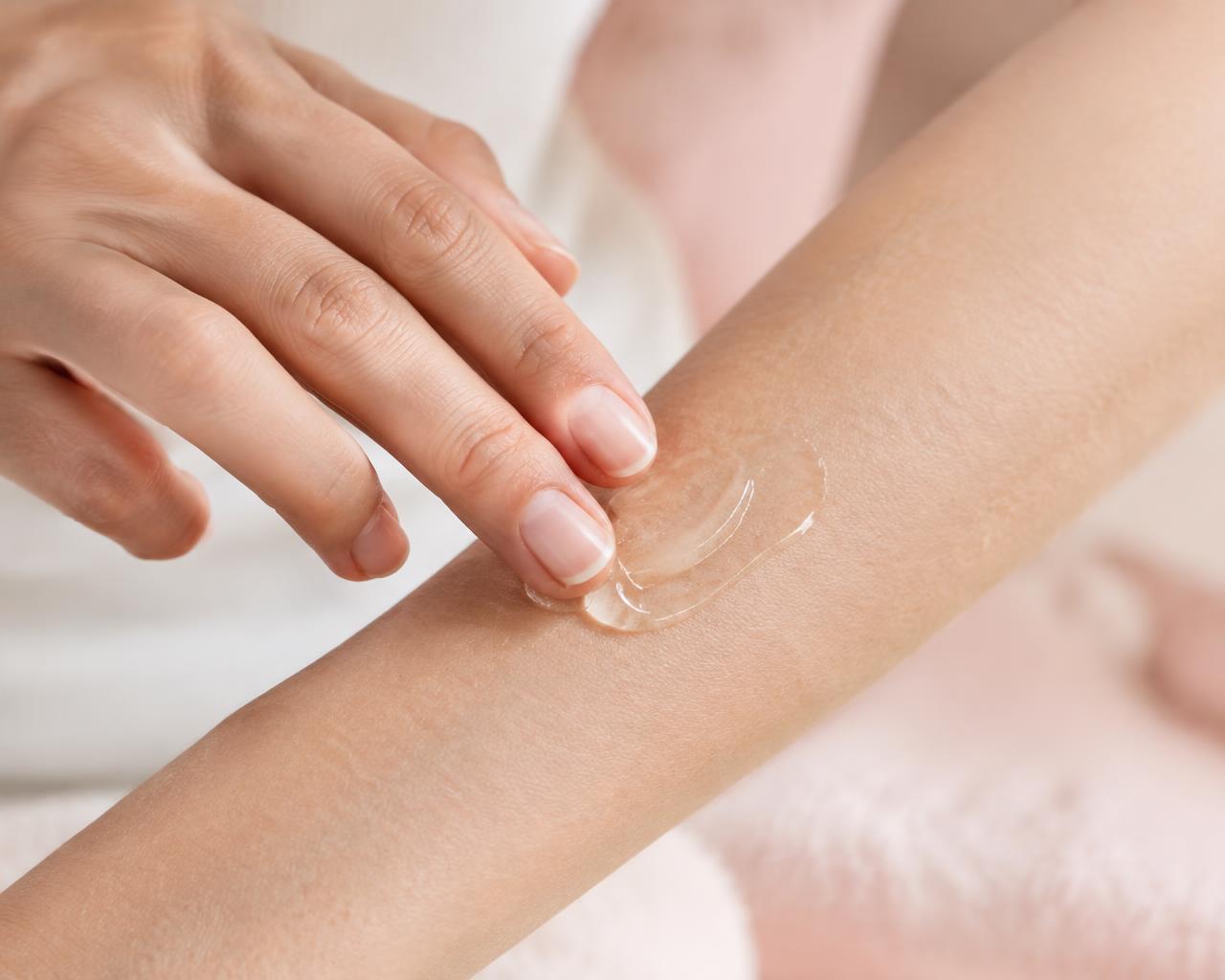
A clear gel being applied to a forearm

03 — Topical research

Applied to skin isn't the same as reaching muscle.

Interpretation

No study currently verified by this project has measured whether topical carnosine raises carnosine in human muscle. These studies looked at skin and eye tissue.

Studied here

Topical application

does not automatically mean

Not measured

Muscle delivery

Skin (topical research)

1 study

Studies here applied carnosine to skin. They did not measure absorption into muscle or any effect on exercise.

Laboratory studyTopical / applied locally

Novel Facial Cream Containing Carnosine Inhibits Formation of Advanced Glycation End-Products in Human Skin.

Skin Pharmacology and Physiology · 2018

What they studied
Donated human skin samples (explants) were treated in the lab with a chemical that causes glycation (sugar-related protein damage). Carnosine in water, or a facial cream containing carnosine, was then applied to the surface.
What they found
Both reduced two glycation markers (CML and pentosidine) in the upper and deeper skin layers, with larger reductions for the cream.
What it may mean
Carnosine applied to skin can act on glycation within the skin itself, at least in lab-treated skin samples.
How it was given / studied
Topical / applied locally
What it doesn't tell us
Skin samples in a lab, not living people. Glycation was artificially induced. It tested a specific facial cream and says nothing about muscle, exercise or other products.
View on PubMed (opens in a new tab)

Eye (topical research)

2 studies
Animal studyTopical / applied locally

Effect of carnosine, aminoguanidine, and aspirin drops on the prevention of cataracts in diabetic rats.

Molecular Vision · 2008

What they studied
Diabetic rats received carnosine, aminoguanidine or aspirin eye drops in one eye for 13 weeks. Lens clouding and markers of glycation and antioxidant enzymes were measured.
What they found
Carnosine drops delayed lens clouding; the difference was significant at week 4. Glycated lens protein was lower in treated rats. The effect was overwhelmed in severely diabetic rats, and the delay held only in the earlier stages.
What it may mean
Carnosine drops reduced lens glycation in this rat model, with limited and early-stage effects.
How it was given / studied
Topical / applied locally
What it doesn't tell us
Animal study. The benefit faded over time and in severe diabetes.
View on PubMed (opens in a new tab)
ReviewTopical / applied locally

State of the art clinical efficacy and safety evaluation of N-acetylcarnosine dipeptide ophthalmic prodrug. Principles for the delivery, self-bioactivation, molecular targets and interaction with a highly evolved histidyl-hydrazide structure in the treatment and therapeutic management of a group of sight-threatening eye diseases.

Current Clinical Pharmacology · 2009

What they studied
Lab tests of carnosine and related compounds, plus a 9-month randomized, placebo-controlled study of N-acetylcarnosine eye drops in people with age-related cataract, measuring visual acuity and glare sensitivity.
What they found
The authors report antioxidant and anti-glycation activity in the lab and report clinical benefit from their patented eye-drop formulation.
What it may mean
N-acetylcarnosine (a modified form of carnosine) is being studied as an eye drop.
How it was given / studied
Topical / applied locally
What it doesn't tell us
Written by scientists at the company that developed the drops. N-acetylcarnosine is not the same as carnosine. Independent confirmation is needed.
View on PubMed (opens in a new tab)
Laboratory glassware and handwritten research notes on a dark bench

04 — Animal & laboratory research

Early, mechanistic evidence.

Early / mechanistic evidence

Interpretation

These are cell and animal studies. They help explain mechanisms but are not demonstrated human outcomes, and they don't show that carnosine treats or prevents any disease.

Cancer (lab research only)

2 studies

These are cell studies. They do not show that carnosine treats or prevents cancer in people.

Laboratory studyLab cells / tissue

Carnosine inhibits glioblastoma growth independent from PI3K/Akt/mTOR signaling.

PLoS One · 2019

What they studied
Two glioblastoma (brain tumour) cell lines grown in the lab were exposed to carnosine and to two drugs that block a common cancer-signalling pathway.
What they found
Carnosine reduced cell viability, and this did not appear to depend on the PI3K/Akt/mTOR pathway.
What it may mean
The authors suggest carnosine's anti-tumour mechanisms are worth investigating further.
How it was given / studied
Lab cells / tissue
What it doesn't tell us
Lab cell lines only; no animals or patients.
View on PubMed (opens in a new tab)
Laboratory studyLab cells / tissue

Carnosine Suppresses Human Colorectal Cell Migration and Intravasation by Regulating EMT and MMP Expression.

American Journal of Chinese Medicine · 2019

What they studied
One human colorectal cancer cell line (HCT-116) treated with carnosine in the lab.
What they found
Cell migration and invasion were reduced, alongside changes in proteins linked to cell spread and lower NF-κB activity.
What it may mean
This points to a possible mechanism for further research.
How it was given / studied
Lab cells / tissue
What it doesn't tell us
A single cell line in the lab. The earlier summary on this site named a different signalling pathway (STAT3) that the study did not report.
View on PubMed (opens in a new tab)

Liver & kidney (animal research)

2 studies
Animal studyInjected (animal)

The hepatoprotective effect of carnosine against ischemia/reperfusion liver injury in rats.

European Journal of Pharmacology · 2007

What they studied
Rats received a single injection of carnosine (250 mg/kg) 30 minutes before blood flow to part of the liver was blocked for an hour and then restored.
What they found
Treated rats had lower liver enzyme levels, less oxidative damage and better-preserved liver tissue than untreated rats.
What it may mean
Carnosine protected rat liver tissue in this specific injury model.
How it was given / studied
Injected (animal)
What it doesn't tell us
Animal study using a high injected dose and an artificial surgical injury. Not tested in people.
View on PubMed (opens in a new tab)
Animal studyInjected (animal)

Protective effect of carnosine against cisplatin-induced nephrotoxicity in mice.

Environmental Toxicology and Pharmacology · 2008

What they studied
Mice received carnosine injections (10 mg/kg/day for six days) starting three days before a single dose of cisplatin, a chemotherapy drug that can damage the kidneys.
What they found
Carnosine reduced blood markers of kidney damage, oxidative stress and kidney tissue injury.
What it may mean
The authors consider carnosine a candidate for further study in this setting.
How it was given / studied
Injected (animal)
What it doesn't tell us
Animal study with injected carnosine. It does not support using carnosine alongside cancer treatment in people; anyone having treatment should follow their medical team.
View on PubMed (opens in a new tab)

Keep in mind

What the research does — and doesn't — say.

  1. Biological plausibility is not product proof.

  2. Oral beta-alanine is not topical evidence.

  3. Skin application does not prove muscle uptake.

  4. Animal and lab findings are not demonstrated human outcomes.

  5. A patent is not evidence that something works.

  6. One small study shouldn't be generalised to everyone.

Educational note

Carnosine Active provides educational summaries of published research, written to make the literature easier to understand. They are not medical advice. A study shouldn't be read as evidence for a commercial product unless that exact product or formulation was studied. Talk to a qualified health professional about your own situation.

Summaries are based on each study's published abstract on PubMed. Where a detail could not be confirmed, we left it out. Read the original before drawing conclusions.

Keep reading

Where to go next.

Turn the evidence into everyday understanding with plain-language articles, short answers and the thinking behind Carnosine Active.

01 — Journal

Explore the journal

Lactic acid myths, and what changes in muscle carnosine with age.

02 — FAQ

Common questions

Short answers on carnosine, lactic acid and what has been studied so far.

Explore the FAQ

03 — About

Our approach

How we read, translate and put research in context.

About Carnosine Active

Looking for products? Visit the shop.