 01
01Coaches & trainers
Clear context for the carnosine questions clients bring into a session.

For professionals
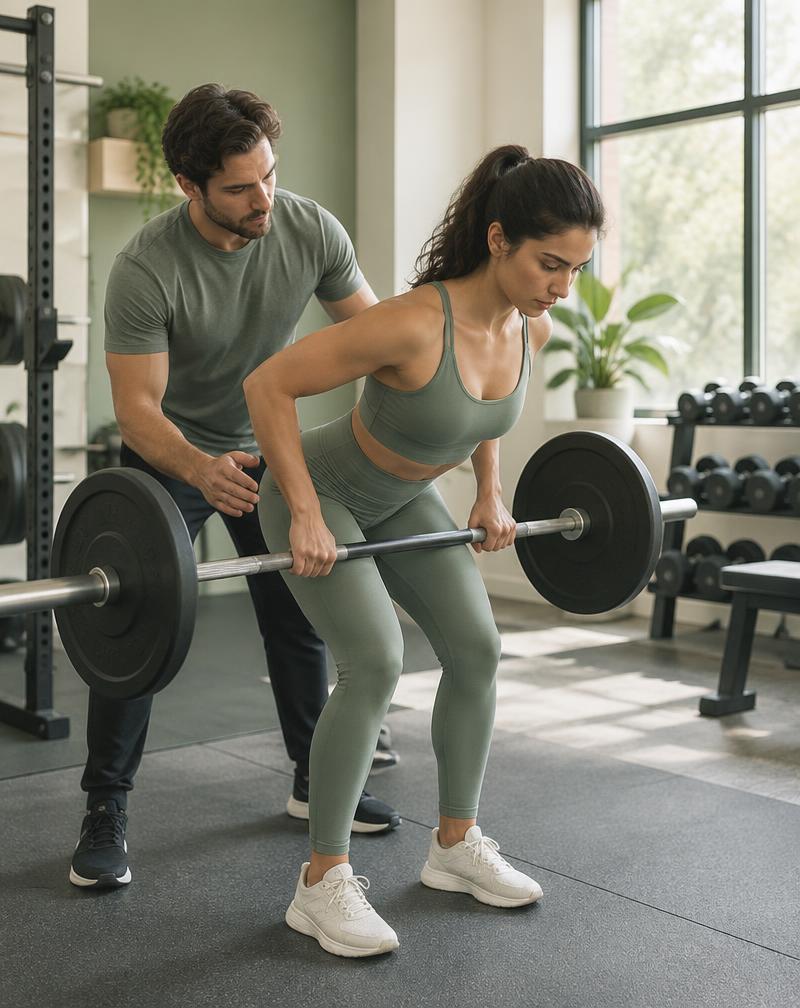
Carnosine Active helps coaches, trainers and fitness professionals understand the differences between carnosine biology, oral supplementation, topical research and product-specific evidence.
01Clear context for the carnosine questions clients bring into a session.
 02
02A shared, plain-language reference so the whole floor explains the science the same way.
 03
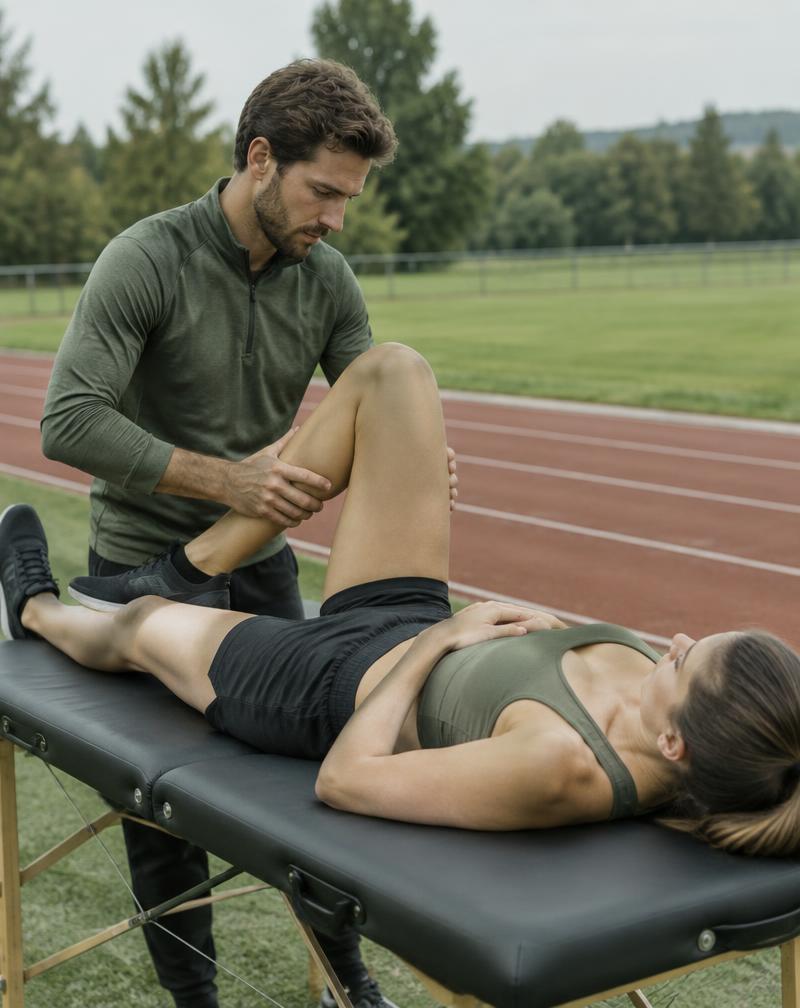
03Study-by-study detail on what was tested, in whom, and how carnosine was given.
 04
04Effect sizes and exercise types laid out, so findings are applied where they actually fit.

Why evidence type matters
Before using a finding, check how carnosine was studied. Every card on our Research page carries one of these labels.
Studies of carnosine itself: where it is found, how much is in muscle and what it does in the body. They describe biology. On their own they don't show a benefit from any topical product.
Most exercise evidence. Beta-alanine taken by mouth raises muscle carnosine over weeks. The overall effect is small and depends on the type of exercise. It isn't evidence for carnosine applied to skin.
Research involving application to skin. Few studies, mostly small. None we know of has measured whether topical carnosine reaches or raises carnosine in human muscle.
Useful for generating ideas, but results in animals don't automatically apply to people.
Shows what can happen in cells or a skin model. It doesn't show what happens in a living person.
Applies only to the exact product and formula that was tested. It shouldn't be transferred to other products. A patent describes an invention; it isn't evidence that a product works.
How to use this site
See who took part, how carnosine was given, what was measured and how big the effect was.
See the studiesOral beta-alanine, topical, animal and laboratory studies answer different questions — each is labelled.
Research typesKeep early or narrow findings in proportion when clients ask about performance or recovery.
Read the FAQUse the Journal as a starting point, with links back to every original source.
Read the Journal
What the current research says
The largest beta-alanine review we cite found a small overall effect on exercise.
Results vary by exercise type — larger for exercise capacity than for timed performance.
Oral beta-alanine research does not automatically support topical carnosine.
No study verified in this project has measured topical carnosine reaching or raising human muscle carnosine.
Carnosine is discussed in relation to buffering acidity — not “flushing lactic acid”.
Our three focus areas
How Carnosine Active approaches each topic — the questions the research asks, and where it stops.

We focus on what studies measured — high-intensity efforts, exercise capacity and muscle buffering — and show where effects were small or varied.

We separate carnosine's buffering role from broader recovery claims, and flag where human evidence is still limited.

We follow research on carnosine levels and ageing muscle as an active field — interesting, early and worth reading carefully.
Scope
This is general education built to support your professional judgement — focused, honest and easy to share.
For sports teams
Get in touch
Contact Carnosine Active.