Carnosine research
Why compare topical and oral approaches?
Applying something to skin and taking a supplement by mouth are different questions. A short guide to what the research covers for each.
Two different routes
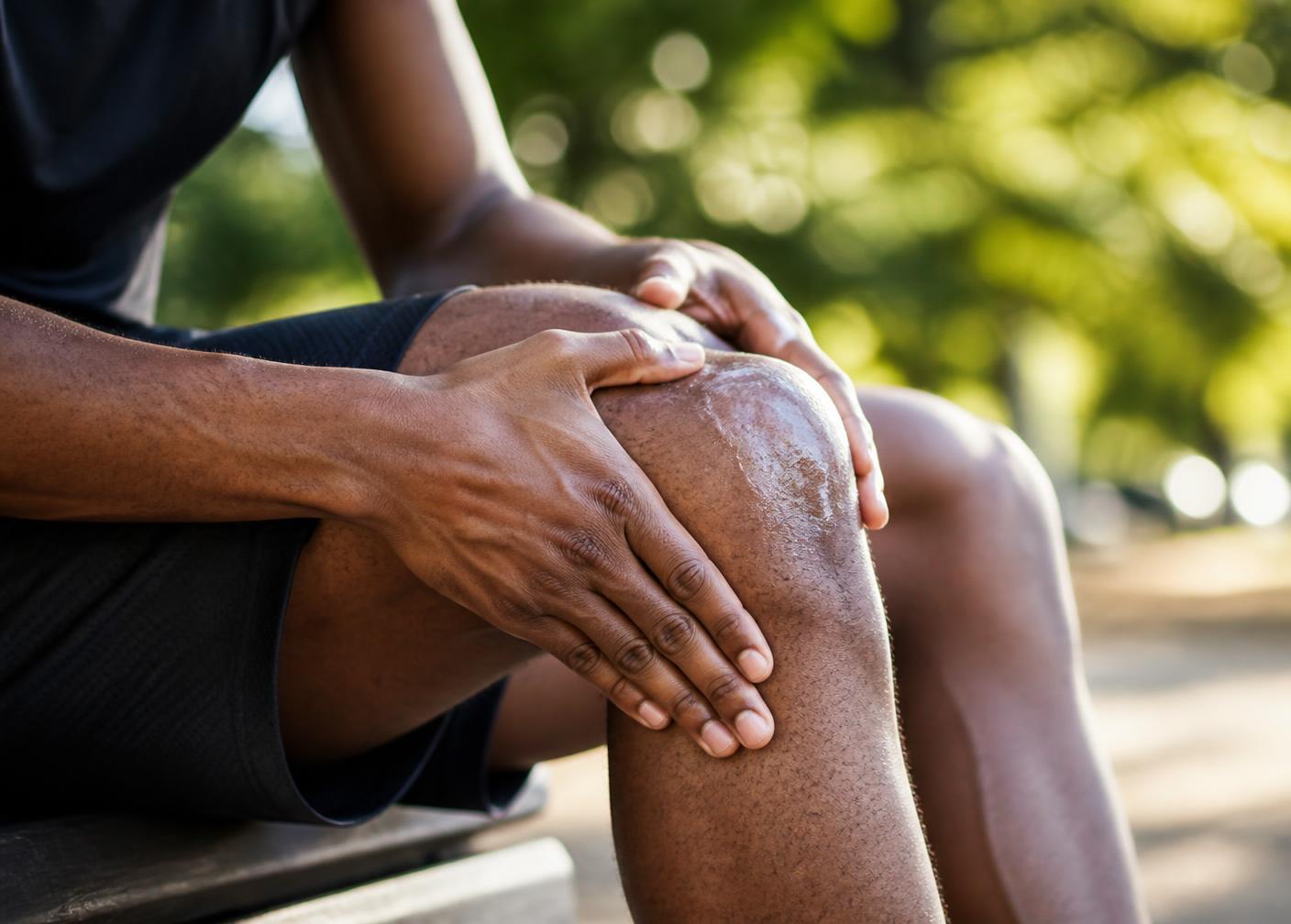
Topical products are applied to a chosen area of skin, such as the shoulders, lower back or calves. Supplements are swallowed and go through digestion. These are two different routes, and evidence for one doesn't automatically carry over to the other.
What the oral research covers
Most exercise research in this area used oral beta-alanine, which the body uses to make muscle carnosine over several weeks. That research tells us about oral beta-alanine — not about what a topical product does.
What the topical research has measured so far
For topical carnosine, the evidence is small. No study verified on this site has shown that carnosine applied to skin reaches or raises carnosine in human muscle. You can read the individual study summaries on the Research page.
General education, not medical advice. For study-by-study summaries, see the Research page.
Keep exploring
Where to go next.
Research
The studies, summarised
What each study tested, found and doesn't tell us.
Explore the research
Active ageing
Muscle carnosine and healthy ageing: what the research shows
Read article
Performance & exercise